

Most homeowners in Toronto and Barrie assume fleas are a pet-only problem. If you don’t own a cat or dog, you might think you’re immune. But we’ve treated plenty of homes across the GTA, Barrie, and surrounding areas where the residents were just as surprised as you are now: you can absolutely get fleas without pets.
At Swift-X Pest Control, we’ve seen flea infestations start from mice in the basement, raccoons nesting under a deck, or even fleas carried over from a neighbouring unit or previous tenant. Understanding how these tiny pests enter your home is the first step to getting rid of them for good.
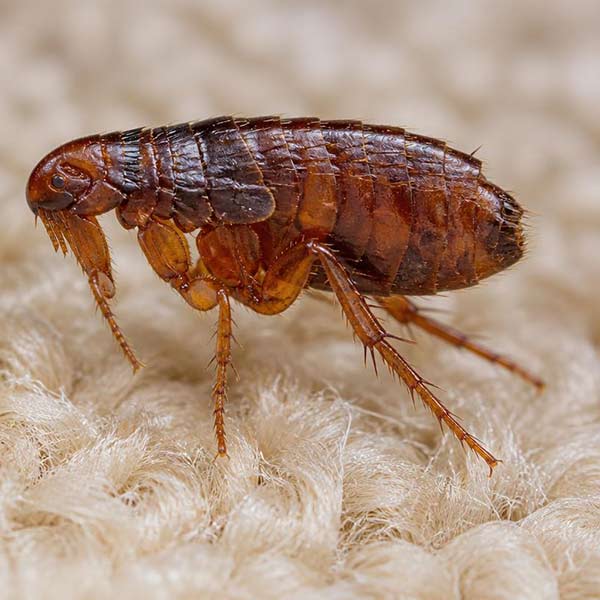
What Do Fleas Look Like?
Adult fleas are small, dark brown, wingless insects about 2–3 mm long. They are flattened from side to side, which makes them excellent at moving through fur, carpet, and bedding. Their most famous feature is their jumping ability: fleas can leap up to 100 times their body length, which is how they latch onto hosts — and how they quickly spread around a home.
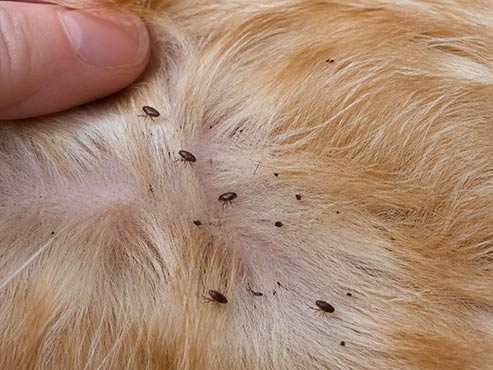
If you’re noticing tiny black specks in pet bedding, carpets, or along baseboards, or seeing small red bites clustered around your ankles, fleas may already be active in your space.
Can You Get Fleas in a House With No Pets? Absolutely
One of the most common misconceptions we hear is, “I don’t have a pet, so it can’t be fleas.” The truth is, fleas need a blood meal to survive and reproduce, but they aren’t picky about whose blood it comes from.
Here are the most common ways fleas get into homes without pets in Toronto and Barrie:
1. Mice and Rats Bring Fleas Indoors
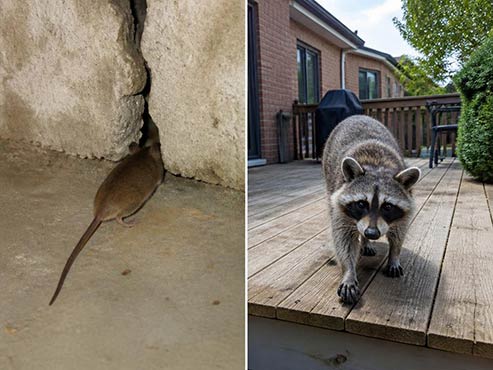
Rodents are one of the biggest hidden sources of fleas in Ontario homes. A single mouse slipping through a gap under your garage door or foundation can carry adult fleas, larvae, and eggs into your basement, walls, or attic. Once inside, the fleas drop off and begin breeding in carpeting, furniture, and baseboard cracks.
If you’ve had mice, you may have already solved the rodent problem but unknowingly left a flea problem behind. That’s why rodent control and flea control often go hand in hand.
Read more: Rodent Control in Toronto — and why mouse-proofing is also flea-proofing.
2. Raccoons, Squirrels, and Other Wildlife
Wildlife around your home is a common flea carrier. Raccoons nesting in attics, under porches, or inside sheds can introduce fleas to your property. Squirrels and skunks can do the same. If these animals have had access to your crawl space, garage, or deck, the fleas they leave behind can eventually find their way into the main living areas.
In suburban and rural areas around Barrie and the northern GTA, wildlife pressure is especially high in late summer and fall.
3. Flea Transfer From Another Dwelling
If you live in a condo, apartment, townhouse, or semi-detached home in Toronto, fleas can move from one unit to another through shared walls, hallways, ventilation systems, or even on your own shoes and clothing. A previous tenant with pets may have left eggs behind in carpets or floorboards that hatch after you move in.
We’ve treated new homeowners who moved into a freshly cleaned house only to discover a flea infestation was already waiting in the carpet fibres.
4. Pets That Visit, Not Live There
Even if you don’t own a pet, visiting animals can leave fleas behind. A friend’s dog, a neighbour’s cat, or a dog that walked through your yard can drop flea eggs into your carpet or furniture. Fleas don’t need to stay on a dog or cat permanently — they lay eggs that fall off wherever the host goes.
5. Used Furniture and Rugs
Second-hand couches, rugs, and pet beds can carry flea eggs and larvae. If an item came from a home with pets, it may be a Trojan horse for a new infestation.
Flea Bites: How to Tell If You Have Fleas
Flea bites are small, red, itchy bumps that usually appear in clusters or lines, most commonly on the ankles and lower legs. They are often surrounded by a red halo and can be intensely itchy. Unlike mosquito bites, flea bites tend to stay grouped together.
If you’re waking up with new bites or noticing bites after sitting on carpeted areas, fleas are a strong possibility — even if you don’t have a pet.
The Flea Life Cycle: Why DIY Often Fails
Fleas are one of the hardest indoor pests to eliminate because of their life cycle. Adult fleas make up only about 5% of the total infestation. The rest are eggs, larvae, and pupae hiding in carpet, furniture, pet bedding, baseboards, and floor cracks.
Over-the-counter sprays and foggers may kill adult fleas, but they rarely reach the eggs and pupae. A single missed cocoon can hatch days or weeks later and restart the whole cycle. That’s why many homeowners go through multiple rounds of store-bought products before finally calling a professional flea exterminator.
How Swift-X Pest Control Treats Fleas
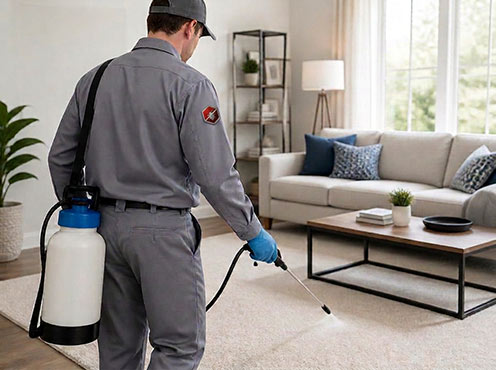
Our flea pest control process is designed to break the life cycle at every stage:
- Inspection — We identify where fleas are active, whether there are signs of rodents or wildlife, and how the infestation started.
- Targeted Treatment — We apply professional-grade products to carpets, upholstery, cracks, and high-activity areas.
- Rodent/Wildlife Source Control — If mice, rats, or raccoons are the root cause, we address those entry points too.
- Follow-Up — Because fleas hatch in waves, we schedule a follow-up visit to ensure the infestation is fully eliminated.
We also give you clear preparation instructions before treatment, such as vacuuming thoroughly and washing bedding, so the product works as effectively as possible.
Prevention Tips for Pet-Free and Pet-Owning Homes
Whether you have a dog or cat or not, these steps help prevent flea infestations:
- Vacuum carpets, rugs, and furniture frequently, especially in high-traffic areas.
- Wash bedding, throws, and pet bedding on hot cycles if you have pets or visiting animals.
- Seal cracks, gaps, and foundation openings to keep mice and rats out.
- Keep wildlife away from your home by securing garbage, removing food sources, and blocking access to decks and attics.
- Inspect second-hand furniture before bringing it inside.
- If you have pets, use a veterinarian-recommended flea prevention product year-round.
When to Call a Flea Exterminator in Toronto or Barrie
If you’re seeing bites, spotting fleas, or suspect an infestation after a rodent or wildlife issue, it’s time to call a professional. Fleas reproduce quickly, and the longer you wait, the more established the infestation becomes. A trained flea exterminator can identify the source, treat the correct areas, and stop the cycle before it spreads further.
Swift-X Pest Control serves Toronto, Barrie, and the surrounding GTA with discreet, professional flea pest control. Whether the fleas came from a pet, a mouse, a raccoon, or the previous tenant, we’ll find the source and eliminate it.
Frequently Asked Questions
Can fleas live in a house with no pets?
Yes. Fleas can survive on human blood and are often introduced by mice, rats, raccoons, wildlife, used furniture, or transfer from neighbouring units.
Why are there fleas in my house with no pets?
The most common sources are rodents, wildlife under the home, second-hand furniture, or fleas carried over from a previous tenant or attached dwelling.
Do I need an exterminator for fleas?
While minor cases can sometimes be handled with cleaning and vet-grade pet treatments, established infestations usually require professional treatment because of eggs and pupae hidden in the home.
Can an exterminator get rid of fleas?
Yes. A professional flea exterminator targets adults, larvae, and eggs with treatments that break the life cycle and include follow-up to catch newly hatched fleas.
How do fleas get into Toronto homes?
Fleas enter Toronto homes on pets, rodents, wildlife, humans, clothing, shoes, used furniture, and through shared spaces in condos and townhouses.
Are flea bites dangerous?
Flea bites are usually just itchy and irritating, but scratching can lead to secondary infections. Some people also experience allergic reactions. Fleas can occasionally transmit tapeworms to pets.
Conclusion
Fleas are not just a pet problem. In Toronto, Barrie, and across the GTA, they can enter homes through mice, raccoons, shared walls, used furniture, and even visiting animals. If you’re dealing with bites, seeing tiny jumping insects, or suspect fleas after a rodent issue, don’t wait for the infestation to grow.
Call or text Swift-X Pest Control today for professional flea pest control in Toronto and Barrie areas. We’ll identify the source, treat your home, and make sure the fleas are gone for good.”
Related Reading:
Backyard Tick Spray: How to Protect Your Family, Pets, and Yard
Rodent Control in Toronto: How to Mouse-Proof Your House (and Flea-Proof It Too)