


If your dog comes back inside after a quick trip to the backyard with an extra passenger clinging to their fur, you’re not imagining things. Ticks have exploded across southern Ontario in the last few years — and homeowners from Toronto, the GTA to Barrie and Simcoe County areas are calling us more than ever asking the same question: “Can you spray my backyard for ticks?”
Yes, we can. But before you book a treatment, here’s what every GTA and Simcoe County homeowner should understand about ticks, the risks they carry, and why perimeter yard sprays have become one of the fastest-growing services we offer at Swift-X.
Are There Really Ticks in Toronto and Barrie Area?
Yes — and the numbers are climbing every year. Public Health Ontario has confirmed established blacklegged (deer) tick populations in the GTA, Durham, Halton, and throughout Simcoe County, including Barrie, Innisfil, and Wasaga Beach. Ravines, conservation areas, wooded parks, and even quiet suburban backyards with mature landscaping now qualify as tick habitat.
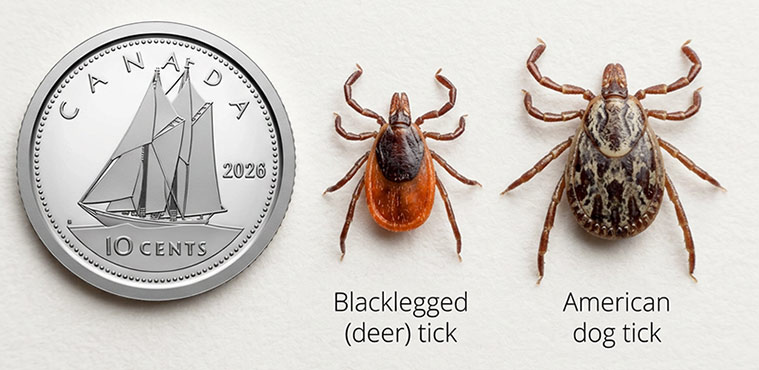
The two ticks you’re most likely to encounter here:
- Blacklegged tick (deer tick) — the one that can carry Lyme disease. Small, dark, teardrop-shaped.
- American dog tick — larger, brown with lighter markings. Doesn’t spread Lyme, but can still bite pets and people.
Why Ticks Love Your Backyard
Ticks don’t fly or jump. They quest — climbing to the tip of a grass blade or leaf and waiting for a warm body to brush past. Your yard becomes a tick magnet when it has:
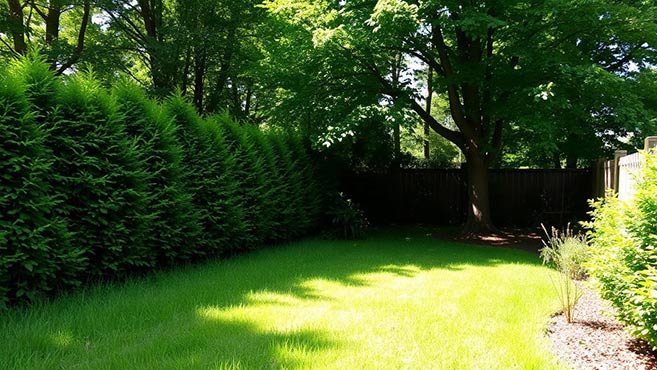
- Tall or unmowed grass, especially along fence lines
- Leaf litter under shrubs, hedges, and trees
- Cedar hedges, wood piles, and rock walls (cool and humid — tick heaven)
- Birdbaths, feeders, or open compost that attract mice and squirrels (the main tick hosts)
- Backing onto a ravine, forest, park, or greenbelt
Barrie and north-GTA properties are especially at risk because more yards back onto natural areas.
The Dog Problem: How Pets Bring Ticks Inside
This is the #1 complaint we hear from customers: “My dog goes outside for 10 minutes and comes back with ticks.”
Dogs are the perfect tick taxi. They push through low branches and long grass exactly where ticks quest. Once attached, a tick can ride into your home, drop off, and start looking for its next host — which could be you, your kids, or another pet.
A quick tick check for dogs after every outdoor trip:
- Run your hands slowly over their body, feeling for small bumps
- Check ears (inside and behind), armpits, groin, between toes, and under the collar
- Look closely — an unfed blacklegged tick is the size of a poppy seed
- Never twist or burn a tick off. Use fine-tipped tweezers, grasp close to the skin, and pull straight out
Talk to your vet about a prescription tick preventative (Bravecto, NexGard, Simparica, etc.). Yard treatment protects the environment; oral preventatives protect the dog. You want both.
How to Get Rid of Ticks in Your Yard
Before (or alongside) a professional spray, these free changes make a real difference:
- Mow weekly and keep grass short, especially along the perimeter
- Create a 3-foot barrier of wood chips or gravel between your lawn and any wooded area or hedge
- Rake and remove leaf litter in spring and fall
- Trim back overgrown shrubs and cedars to let sunlight in — ticks dry out and die in dry, sunny conditions
- Move woodpiles, birdfeeders, and compost away from play areas
- Fence out deer where possible, and discourage rodents around the house
When You Need a Professional Backyard Tick Spray
DIY yard sprays from the hardware store can help a little, but they rarely reach the shaded, humid spots where ticks actually live — and they wear off in days.
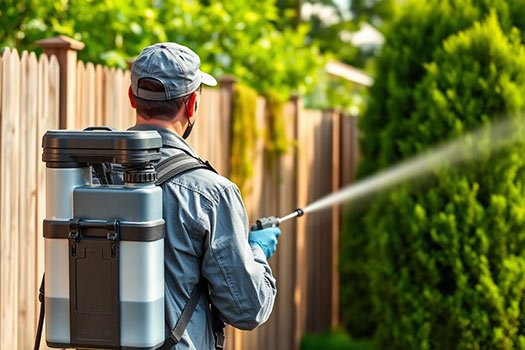
A professional perimeter treatment from Swift-X focuses on the zones that matter:
- Fence lines, hedges, and cedar rows
- Under decks, sheds, and low shrubs
- The transition zone where your lawn meets wooded or natural areas
- Around dog runs, patios, and kids’ play equipment
We use a residual product safe for use around pets and children once dry, and one treatment typically knocks tick populations down for 6–8 weeks. Most Toronto and Barrie customers book two or three sprays per season — late spring, mid-summer, and early fall — for full-season protection.
Tick FAQs
When are ticks most active in Toronto and Barrie?
April through November, with peak activity in May–June and again in September–October. Adult blacklegged ticks stay active any time temperatures are above ~4°C — which now includes mild winter days.
What does a tick look like on a dog?
An unfed tick looks like a tiny dark speck or freckle, about the size of a sesame seed. Once it feeds, it swells into a grey or brownish bean-shaped bump. If you find one, remove it, save it in a small container, and consider having it identified (Public Health Ontario runs a tick surveillance program).
How do you get rid of ticks in your yard fast?
The fastest one-two punch: cut back overgrown vegetation and book a professional perimeter spray. Landscaping alone is slow; spray alone doesn’t fix the habitat. Together, they crash the population.
Is backyard tick spray safe for my dog and kids?
Yes — once the product has dried (typically 30–60 minutes), the treated areas are safe for children and pets to use. Our technicians will confirm re-entry times before they leave.
Can I spray my backyard for ticks myself?
You can, but store-bought sprays rarely have the residual strength or coverage needed to control an established population. If you’re seeing ticks on your dog after every trip outside, it’s time to call a pro.
Do I need to treat every year?
In most Toronto and Barrie yards — yes. Ticks don’t disappear over winter, and rodents constantly re-introduce them. Seasonal treatments keep the population from rebuilding.
Book a Tick Treatment with Swift-X
If your dog keeps bringing ticks inside, or your yard backs onto trees, a ravine, or long grass, don’t wait until someone gets bitten. Swift-X offers targeted backyard tick spray services across Toronto, the GTA, and Barrie, with discreet unmarked vehicles and technicians who know exactly where ticks hide.
Contact Swift-X for a tick control quote
Related: Common Ants in Toronto & Barrie · Wasps, Hornets & Carpenter Bees in the GTA