

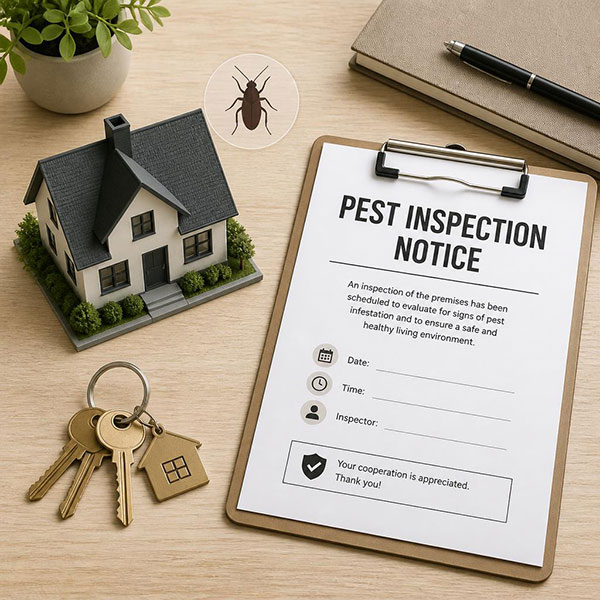
As a landlord or property manager in Ontario, one of the most frustrating situations you can face is this: you have clear evidence that a tenant caused a pest infestation, but they refuse to pay for treatment.
Maybe they brought home bed bugs from a used couch. Maybe their poor housekeeping attracted cockroaches. Maybe they ignored a small mouse problem until it became a full-blown infestation.
Whatever the cause, your next move matters more than the argument over who pays. Because the longer the pests stay, the more expensive the problem becomes — and the higher the risk to your property, your other tenants, and your rental income.
For a broader overview of how pest responsibility is typically divided between landlords and tenants in Ontario, see our companion post: Pest Control in Toronto Rentals: Landlord vs. Tenant Responsibilities.
The Legal Reality in Ontario
Under Ontario’s Residential Tenancies Act (RTA), landlords are responsible for keeping a rental unit in a good state of repair and fit for habitation. That includes pest control. The Landlord and Tenant Board (LTB) has consistently ruled that pest infestations are a landlord’s responsibility to treat, even when the lease says otherwise.
There is an important exception. If a landlord can prove the tenant caused the infestation, the tenant may be held liable for the cost of treatment. But “proving” cause is harder than it sounds. Bed bugs hitchhike on luggage. Cockroaches travel through shared walls. Mice squeeze through gaps in a building’s exterior. Isolating the source to one tenant often requires documentation, inspection reports, and sometimes an LTB hearing.

Why Landlords Should Treat First and Fight Later
Even when the tenant is clearly at fault, experienced landlords usually treat the problem immediately and sort out payment afterward. Here’s why:
Pests Multiply Fast
A single pregnant cockroach can produce hundreds of offspring. A few bed bugs can become a building-wide issue in weeks. A small mouse colony can grow into dozens. Every day you delay treatment, the infestation gets bigger and the bill gets higher.
Infestations Spread to Other Units
In a Toronto apartment building or a converted house divided into units, pests travel through wall voids, plumbing chases, electrical conduits, and hallways. The tenant who caused the problem may not be the one who suffers most — your other tenants will. That creates complaints, potential LTB applications, and turnover that costs far more than a single treatment.
Vacancy Becomes More Expensive
If the infestation grows and the unit becomes known as “the one with bugs,” it becomes harder to rent. You may lose current tenants, lose rental income, and end up paying for extensive remediation just to make the unit marketable again. In competitive markets like Toronto, a pest reputation can stick to a building for a long time.
You Have a Duty to Your Other Tenants
Even if the original tenant caused the problem, you still have a legal obligation to keep other rental units habitable. Ignoring a known infestation in one unit because you disagree about payment could expose you to claims from other tenants, Toronto 311 Property Standards complaints, and LTB action.
How to Handle the Cost Dispute
If you believe the tenant is responsible, here is a practical path most Ontario landlords follow:
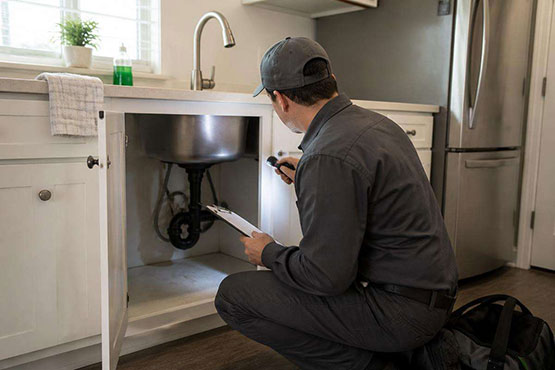
- Document everything. Get a licensed pest control company to inspect, identify the likely source, and write a report. Photos, inspection notes, and service records matter at the LTB.
- Treat the unit quickly. Hire a licensed exterminator. If it is a multi-unit building, treat adjacent units at the same time to prevent spread. Swift-X offers discounts for multi-unit treatments, so treating the whole floor or building at once is often cheaper than handling one unit at a time.
- Give the tenant written notice. Explain what you paid, why you believe they are responsible, and provide copies of the inspection report and invoice.
- Negotiate first. Many tenants will agree to pay at least part of the cost once they see the evidence and understand that avoiding treatment makes it worse for everyone.
- Consider a payment arrangement. If the tenant genuinely cannot afford the full amount, a payment plan may be better than months of conflict and a worsening infestation.
- Use the LTB if needed. If the tenant refuses and you have strong evidence, you can apply to the LTB for compensation. Be aware that you must still maintain the unit during the dispute — you cannot withhold services or threaten eviction as punishment.
When a Tenant Really Can’t Pay
Sometimes a tenant acknowledges they caused the problem but simply does not have the money. In that case, the landlord is still usually better off paying for treatment and recovering what they can through negotiation, a payment plan, or a future LTB claim.
Allowing the infestation to grow because the tenant cannot pay is almost always the most expensive option. The cost of full-building remediation, lost rent, and tenant turnover far exceeds the cost of early, targeted treatment.
The Bottom Line for Landlords
The question should rarely be “who pays?” first. It should be “how do we stop this from getting worse?”
If you can prove the tenant caused the infestation, you may be able to recover the cost. But the longer you wait, the harder the problem is to fix, and the more likely it is to spread. In most cases, the financially smart move is to treat immediately, document everything, and then pursue the tenant for reimbursement through negotiation or the LTB.
Swift-X Extermination works with landlords, property managers, and condo boards across Toronto and the GTA. We provide discreet, licensed service with detailed reporting that helps protect your property and your case. Ask us about discounts for multi-unit buildings, scheduled property-management plans, or recurring inspections. Call (647) 478-2128, or Contact us if you need an inspection or treatment on a rental property.
Related Links: Pest Control in Toronto Apartments & Condos: Who Pays – Landlord or Tenant?